

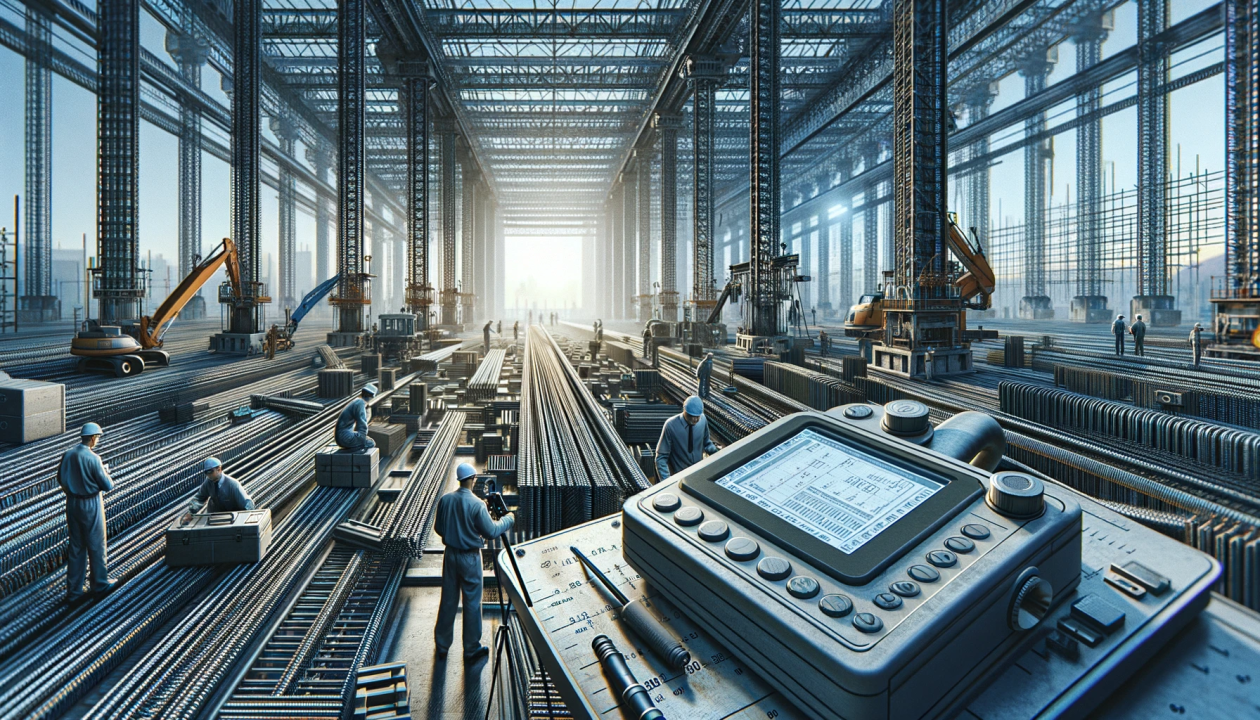
Heavy plates sit at the serious end of steelmaking, where buyers tend to care as much about consistency and documentation as they do about mechanical performance. In steel plate manufacturing in India, the conversation is increasingly about tighter control, cleaner steel, and process discipline across the full route from melt to dispatch.
Why Heavy Plate Technology is Getting More Attention?
Heavy plate products ask more of a mill than thinner products, simply because there is less room for variability as section size increases and fabrication demands rise.
When you specify a heavy plate, you are usually buying more than a shape. You are buying a set of outcomes that must align with how the plate will be cut, formed, welded, and inspected later.
That is why modern heavy plate manufacturing often focuses on reducing variation in properties across the plate, managing through-thickness behaviour, and improving surface and internal quality in ways that suit demanding fabrication requirements.
Cleaner Steel And Tighter Chemistry Control
Quality in the plate begins long before rolling. The direction of travel is toward cleaner steel practices, supported by disciplined secondary metallurgy.
You will often see manufacturers emphasising:
- Better control of sulphur and phosphorus, since these can influence toughness and weld behaviour.
- Inclusion control is aimed at improving internal cleanliness and reducing discontinuities.
- More consistent alloying practice, so property targets are approached with less scatter.
- Process routes that support reduced hydrogen risk, depending on specification needs.
The point is not “more alloy” or “harder steel.” The aim is a chemistry and cleanliness window that supports the required balance of strength, toughness, and weldability, while staying predictable across heats and campaigns.
Smarter Rolling And Cooling Control On The Plate Mill
Plate rolling is not only about reducing thickness; it is also about managing structure. This is where upgrades in automation and control philosophy can matter.
In many mills, the focus is on improving repeatability through:
- Controlled rolling schedules that manage temperature and deformation to guide microstructure
- More refined shape and flatness control, supporting downstream cutting and fabrication
- Cooling strategies that are designed to meet specification requirements without unnecessary stress
- Better surface scale management to support inspection and finishing needs
When these elements are coordinated, the mill is better placed to produce plates that align with demanding specifications, with fewer avoidable deviations across width and length.
Heat Treatment Routes That Match Specification Demands
Not every plate requirement can be met by rolling alone, so heat treatment capability often becomes part of the technology story.
Depending on the specification route and end-use requirements, a manufacturer may offer heat treatment practices intended to support:
- More uniform properties throughout the section
- Improved toughness behaviour for certain service conditions
- Residual stress management to support fabrication stability
- Consistency that is easier to certify against recognised codes
If you are sourcing for critical fabrication, it is worth treating heat treatment not as an add-on, but as part of the overall quality strategy within heavy plate manufacturing.
Inspection, Testing, And Traceability Becoming a Differentiator
For a buyer, confidence often comes from what can be verified. That is why inspection and traceability systems are increasingly central to how Indian mills present their plate capability.
Common areas of focus include:
- Non-destructive testing approaches aligned with specification requirements
- Mechanical testing discipline, with clear sampling and reporting practices
- Surface inspection routines are designed to catch issues early
- Traceability systems that connect plate identity to heat, process route, and test results
- Clear documentation packages, including mill test certificates and process declarations where required
A capable plate operation tends to treat inspection as part of production, not a last-minute gate at dispatch.
What Buyers in India Can Look For When Choosing A Steel Plate Manufacturer
If you are evaluating a steel plate manufacturer, it helps to look beyond the brochure and ask how their process controls translate into consistency and compliance.
You can keep your evaluation grounded with questions such as:
- Which national and international codes do they routinely work with, and how is compliance demonstrated?
- What is their approach to internal quality control across melting, rolling, and finishing?
- How do they handle non-conformance, rework, and re-testing without weakening traceability?
- What inspection options are available, and how are acceptance criteria agreed and recorded?
- How is plate identity maintained through cutting, marking, handling, and dispatch?
This kind of due diligence is especially relevant in steel plate manufacturing in India, where multiple supply routes exist and consistency can vary by capability and discipline, not only by capacity.
Closing Thoughts
Heavy plate capability is increasingly shaped by metallurgical control, rolling discipline, and verification systems working together.
As Indian manufacturers continue refining these areas, the biggest signal to watch is consistency: what the mill can routinely document, reproduce, and stand behind without over-promising. That is where heavy plate technology quietly moves forward, and where buyers tend to see the difference first.
