

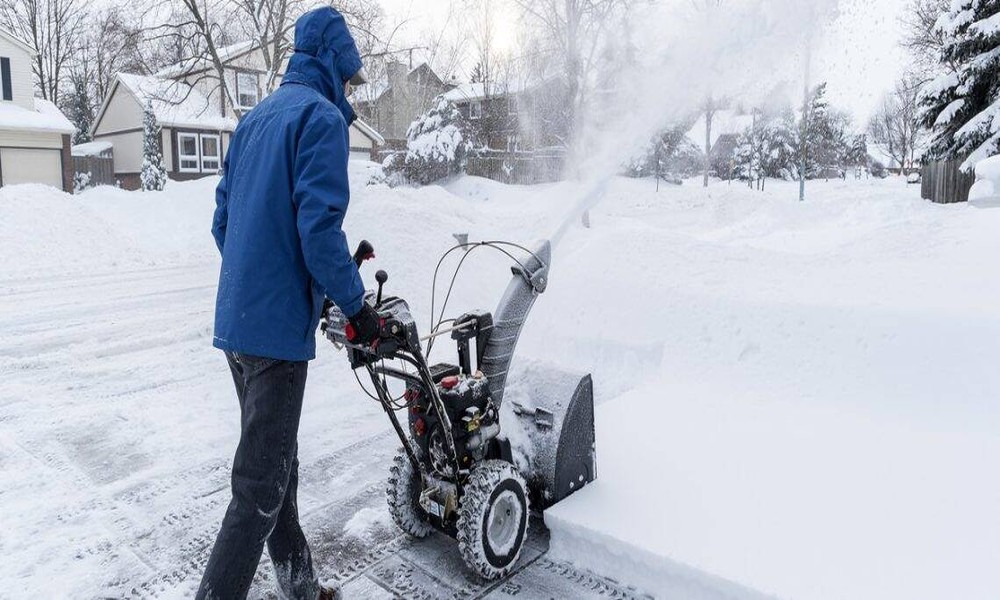
Winter weather does not always build slowly. Sometimes the snow starts lightly in the evening and by morning the entire driveway looks completely different. Cars struggle near corners. Walkways disappear under packed layers. Even smaller properties start feeling difficult to move around.
That is usually when people looking into snow plowing anchorage support before the next storm arrives.
A lot of winter maintenance problems actually begin after the first snowfall stays untouched for too long. Fresh snow is one thing. Packed frozen layers are another story completely.
Driveways Become Difficult Faster Than Most People Expect
Most residential driveways lose traction pretty quickly once repeated tire movement starts pressing snow into the surface. At first it may only feel slippery near the edges. Then the middle section hardens overnight and suddenly backing out becomes annoying every morning.
And shaded areas stay worse longer. Some people forget that part.
Properties with narrow turning space often need more careful clearing because snow piles can reduce movement room after only two or three storms. It starts looking manageable from a distance, but using the space daily becomes frustrating.
There are also cases where lighter snow creates more drifting than heavy snow. Winter conditions do not always behave logically.
Different Snow Depths Require Different Clearing Approaches
Not every snowfall requires the same cleanup process. A thin overnight layer usually clears quickly, while deep wet accumulation slows everything down and sticks harder against surfaces.
Factors That Often Change The Clearing Process
- Snow depth
- Surface shape
- Vehicle movement areas
- Parking layout
- Ice underneath older layers
Some storms leave soft snow that pushes aside easily. Other storms create dense buildup that almost feels glued to the pavement after temperatures shift again.
So timing matters. More than people think sometimes.
Residential Routes And Parking Areas Need Separate Handling
A driveway and a parking lot may both need plowing, but the actual handling process is very different.
Residential Areas Usually Focus On
- Entry access
- Vehicle turning space
- Walkway visibility
- Snow placement near garages
Commercial surfaces usually involve wider movement planning because vehicles enter and exit constantly during the day.
Property Area |
Winter Priority |
|---|---|
| Driveways | Daily access |
| Parking lots | Traffic movement |
| Walkways | Foot safety |
| Loading sections | Delivery access |
| Shared lanes | Continuous clearing |
Large snow piles also become a problem later if they block visibility near corners or reduce usable parking space. That part often gets ignored early in the season.
Ice Buildup Often Creates Bigger Problems Afterward
Snow removal helps, but hidden ice usually causes longer lasting trouble. Thin frozen layers under fresh snowfall can stay unnoticed until someone walks or drives across them.
Areas Where Ice Commonly Builds Up
- Sloped driveways
- Building entrances
- Sidewalk edges
- Parking corners
- Shaded pathways
Some people focus only on the visible snow and forget the surface underneath still needs attention.
That is where ongoing winter maintenance becomes useful instead of waiting only for major storms.
In many cases, people searching for high mark services ak are trying to keep outdoor areas manageable through the entire season rather than solving one storm at a time.
Winter Scheduling Works Better With Consistent Service Planning
Every storm behaves differently. One week may bring light snow that clears quickly. Another week suddenly creates repeated accumulation over several days with almost no break between systems. That unpredictability changes everything.
Some property owners prefer scheduled service because it reduces buildup before conditions become difficult. Others choose flexible response plans depending on snowfall intensity and property usage.
There is no perfect system for every location. But consistent winter attention usually prevents the larger cleanup problems that happen later in the season.
Common Winter Clearing Questions
Why Does Snow Become Harder After Vehicle Movement
Repeated pressure compresses the lower layers and creates dense packed surfaces that freeze more firmly overnight.
Why Do Parking Lots Require Different Plowing Methods
Larger traffic patterns, snow stacking space, and visibility management all affect how commercial lots are cleared.
Does Ice Remain After Plowing Finishes
Sometimes yes. Thin frozen layers can stay underneath fresh accumulation or in shaded areas where melting happens slowly.
