

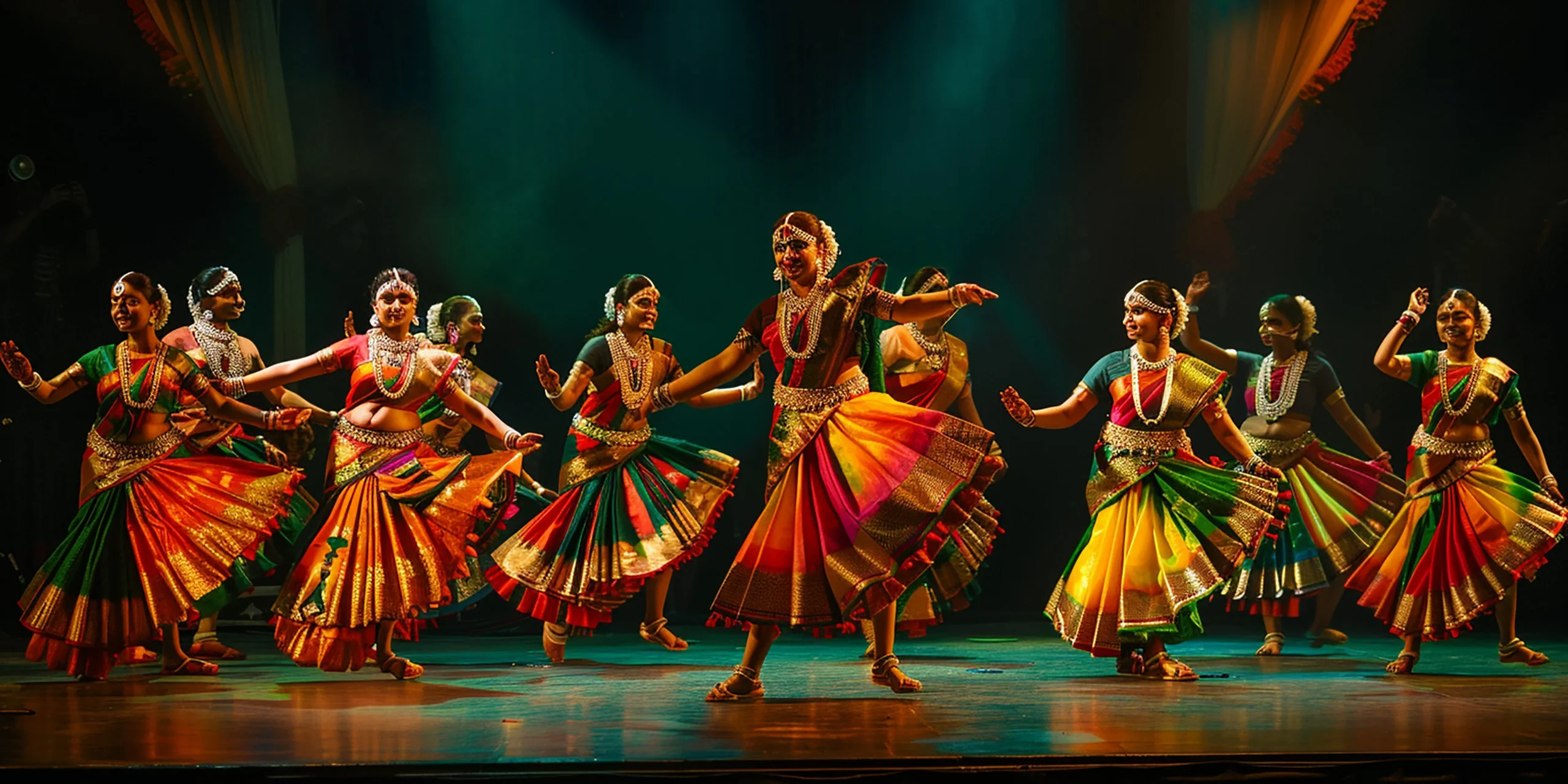
Dance costumes are far more than decorative outfits worn on stage—they are a powerful form of expression, a bridge between storyteller and audience, and an essential part of bringing any choreography to life. Whether in classical ballet, contemporary styles, folk traditions, or cinematic dance numbers, costumes shape how a performance is perceived and experienced.
In this detailed, informative blog, we’ll explore the purpose, evolution, types, materials, and selection considerations of dance costumes, revealing how they play a central role in the world of movement and artistry.
The Purpose of Dance Costumes in Performance
Dance costumes serve multiple functions, each supporting the dancer, the choreography, and the story being portrayed. Some of the key purposes include:
1. Visual Storytelling
Costumes communicate character, mood, theme, and context.
A flowing white dress might represent purity or peace, while a vibrant sequined outfit can convey energy and celebration. Before a dancer even begins moving, the audience gains visual clues from the costume itself.
2. Enhancing Movement
Well-designed costumes accentuate the body’s motion.
For example:
- Fringe costumes create rhythmic visual ripples for jazz dances.
- Tutus highlight precise leg movements in ballet.
- Contemporary stretchwear showcases fluidity and flexibility.
Costumes amplify the movement so each gesture becomes more impactful.
3. Supporting the Theme or Culture
Many traditional dance forms rely heavily on authentic clothing to preserve cultural identity.
Bharatanatyam costumes reflect ancient Indian temple traditions, Flamenco dresses highlight Spanish heritage, and Irish dance outfits carry Celtic influence.
Without these costumes, the dance would lose cultural depth and authenticity.
4. Ensuring Comfort and Safety
Beyond aesthetics, costumes are designed for comfort, breathability, and safety.
Dancers need fabric that stretches, supports, and allows unrestricted motion. Shoes, accessories, and fit must be carefully chosen to avoid slipping, tripping, or discomfort.
Evolution of Dance Costumes Over Time
Dance costumes have gone through centuries of transformation influenced by culture, fashion, and the ever-changing styles of dance.
Early Traditional Costumes
In ancient societies, dance costumes were ritualistic and symbolic. They used natural elements like:
- Animal skins
- Feathers
- Jewelry
- Natural dyes and fabrics
These costumes represented spiritual beliefs or cultural traditions.
The Renaissance and Baroque Influence
European ballet emerged during this period. Costumes became more structured and ornate, often reflecting royal fashion:
- Heavy fabrics
- Corsets
- Long skirts
These outfits looked elegant but restricted movement.
The Modern Dance Revolution
By the 20th century, dancers like Isadora Duncan rebelled against restrictive clothing. Flowing dresses, breathable fabrics, and natural movement became more popular.
Contemporary and Commercial Dance Costumes
Today’s dance costumes blend technology, creativity, and functionality.
From LED-infused costumes to stretchable, moisture-wicking fabrics, modern outfits allow dancers to perform with freedom while still looking visually stunning.
Different Types of Dance Costumes for Various Genres
Dance comes in countless forms, and each genre has its own costume identity. Below are some of the most popular types of dance costumes used worldwide.
1. Ballet Costumes
Ballet costumes are iconic and elegant. Common styles include:
- Classical tutus – stiff and short for highlighting legwork
- Romantic tutus – soft and flowing, offering dreamy aesthetics
- Unitards and leotards – for contemporary ballet
- Ballet shoes – pointe shoes for advanced dancers
Color themes generally symbolize emotions or roles within the performance.
2. Contemporary Dance Costumes
Contemporary costumes combine comfort, simplicity, and creativity.
They are usually:
- Stretchable
- Minimalistic
- Designed for full-body motion
Neutral tones, asymmetric cuts, and breathable fabrics are common.
3. Jazz Dance Costumes
Jazz outfits are bold and expressive:
- Sequined tops
- Fringe dresses
- Metallic fabrics
- Leotards
They add sparkle and energy, complementing sharp and rhythmic movements.
4. Hip-Hop Costumes
Hip-hop clothing is casual, urban, and free-flowing:
- Track pants
- Hoodies
- Sneakers
- Oversized t-shirts
These costumes reflect the culture and personality of the dance style.
5. Ballroom Dance Costumes
Ballroom performances are known for glamour and elegance.
Typical costumes include:
- Flowing gowns with crystals
- Tailcoats for men
- Dramatic colors
- Rhinestones, mesh, and satin
The movement of the dress helps amplify spins and turns.
6. Folk and Cultural Dance Costumes
Each region has its own traditional outfit:
- Bharatanatyam – silk saree-style costume with temple jewelry
- Kathak – anarkali-style dance dress
- Flamenco – ruffled dresses and flower hairpieces
- Irish Dance – embroidered dresses and hard shoes
These costumes carry historical and cultural significance.
7. Bollywood Dance Costumes
Bollywood dance mixes multiple styles, so costumes vary widely:
- Sparkling lehengas
- Indo-western outfits
- Dhoti pants
- Crop tops with embellishments
Vibrancy, color, and flair define Bollywood costume design.
Materials Commonly Used in Dance Costumes
Choosing the right material is crucial to ensure durability and comfort. Common fabrics include:
1. Lycra / Spandex
- Highly stretchable
- Perfect for contemporary, jazz, and acrobatics
2. Chiffon and Georgette
- Lightweight and flowy
- Ideal for lyrical and classical dances
3. Satin and Silk
- Elegant, glossy appearance
- Often used in ballroom and cultural dances
4. Sequins and Mesh
- Add sparkle, depth, and texture
- Popular in jazz, Bollywood, and stage performances
5. Cotton Blends
- Used for rehearsals or folk dances
- Breathable and comfortable
How to Choose the Right Dance Costumes
Selecting the perfect costume requires balancing aesthetics, comfort, and performance needs. Here are key considerations:
1. Match the Costume With the Theme
A costume should always align with the storyline and mood of the dance.
A classical romance needs soft colors, whereas a powerful hip-hop routine may need bold streetwear.
2. Prioritize Comfort and Movement
Dancers need to feel confident and unrestricted.
Check for:
- Proper fitting
- High-quality stretch
- Breathable fabrics
- Non-slip shoes
3. Consider Stage Requirements
Lighting, stage size, background colors, and props all influence costume choices.
Shiny fabrics work well under spotlights, while darker tones may fade into the background.
4. Safety First
Avoid:
- Loose accessories
- Slippery soles
- Sharp embellishments
Safety ensures smoother performances and reduces accidents.
5. Durability and Maintenance
Dance costumes should withstand multiple rehearsals and shows.
Opt for fabrics that:
- Resist wear and tear
- Are easy to clean
- Maintain color after washing
Importance of Accessories in Dance Costumes
Accessories enhance the visual impact of dance costumes, but they must be used wisely.
Common Accessories Include:
- Gloves
- Hairpieces
- Jewelry
- Headbands
- Props (fans, sticks, scarves)
These elements help define the character and add detail, but they must not interfere with movement or pose safety risks.
Trending Styles in Modern Dance Costumes
Today’s costume designers experiment with innovation and technology.
Popular Trends Include:
- LED lit costumes for stage shows
- Holographic and metallic fabrics
- Gender-neutral designs
- Mix of traditional and contemporary elements
- Sustainable materials
Dance costume trends evolve quickly, inspired by global influences, movies, online performances, and cultural fusion.
Why Professional Costume Designing Matters
Professional designers understand choreography, body movement, and stage appeal.
Their expertise ensures that costumes:
- Highlight the performers
- Complement the routine
- Stand out under stage lighting
- Fit perfectly to reduce mishaps
A well-designed costume can elevate the entire performance and leave a lasting impact.
Conclusion
Dance costumes are the heartbeat of any performance. They unify choreography with visual beauty, cultural depth, character expression, and emotional storytelling. From classical elegance to modern boldness, each costume tells a unique story and enhances the dancer’s ability to communicate with the audience.
Whether you’re a dancer, choreographer, studio owner, or enthusiast, understanding dance costumes helps you appreciate the artistry behind every spin, leap, and gesture. As dance continues evolving, so will its costumes—bringing more creativity, innovation, and visual magic to the stage.
