

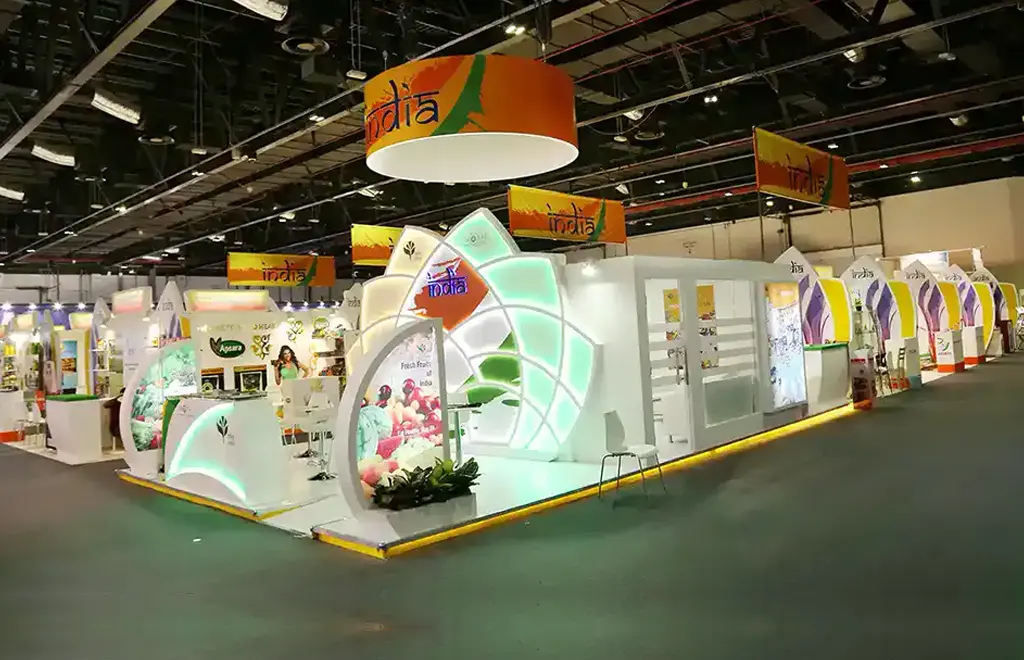
Walking into event planning often feels simple at first. Pick a booth, show up, talk to people. Then reality kicks in. Costs appear from different directions and numbers start shifting. Many business owners pause and ask the same thing halfway through planning, how much a trade show booth costs and why the answers never sound final.
A booth is more than walls and graphics. It is your brand standing in a noisy room full of competitors. That alone explains why pricing changes so much. Some booths are clean and practical. Others are bold and immersive. Both can work, but they live in very different budget ranges.
Why booth pricing never feels straightforward
Booth pricing feels unclear because it depends on decisions made step by step. Size is one part, but not the whole picture. Materials, layout, and how the booth travels all shape the final number.
One event might allow simple setups. Another might require strict rules, union labor, or special power access. Those details often appear late, which is why early quotes feel vague. It is not guesswork. It is flexibility based on real variables.
Size materials and layout decisions
The moment size is chosen, costs start forming. Larger spaces require more structure, more graphics, and more setup time. Materials also play a big role.
Fabric displays are lighter and easier to move. Aluminum frames keep things modular. Wood builds feel premium but cost more to build and ship. Each option sends the budget in a different direction, even if the booth footprint stays the same.
Layout matters too. Open designs invite people in but require careful planning. Closed layouts feel controlled but can limit traffic. Both styles affect how much material and labor are needed.
Rental booths compared with ownership
Renting a booth works well for first appearances. It keeps early spending lower and avoids long term commitments. Rentals usually include structure and basic graphics with limited flexibility.
Owning a booth makes sense when events become routine. The upfront cost is higher, but reuse changes the math. Over time, ownership reduces per event spending and allows changes between shows without starting from scratch.
There is no right answer. Frequency and goals decide which path feels smarter.
Setup transport and storage realities
Shipping surprises many planners. Booths do not magically appear at venues. Crates, freight handling, and delivery timing all cost money. Larger booths increase shipping weight and size, which raises fees quickly.
Storage also matters. When a booth is not traveling, it needs space. Climate controlled storage protects graphics and materials. That ongoing cost is easy to forget during early planning but becomes part of long term budgeting.
Custom features and their impact
Customization is where budgets grow fast. Screens, lighting systems, raised floors, and unique shapes add visual impact but also add cost.
The key is intention. Features should support interaction, storytelling, or demos. When customization exists only to look impressive, it rarely delivers enough value to justify the spend.
Planning smarter without sacrificing presence
Smart booths focus on flexibility. Modular pieces allow layouts to change. Graphics can be swapped without rebuilding the structure. Lighting can be adjusted instead of replaced.
Clear messaging also reduces waste. A booth that communicates one strong idea often performs better than one packed with information. That clarity helps control spending while keeping the space engaging.
In those moments, understanding how much a trade show booth costs becomes part of a broader marketing decision, not just an expense line.
Booth costs feel overwhelming only when planning lacks structure. When goals are clear and decisions follow a logical order, budgets stop drifting. Every choice connects to purpose.
Trade shows reward preparation. A booth that fits both brand and budget builds confidence on the floor. And that confidence often matters more than the size or price of the booth itself.
